Hackney Council rules for upholstery cleaning waste
Posted on 13/10/2026
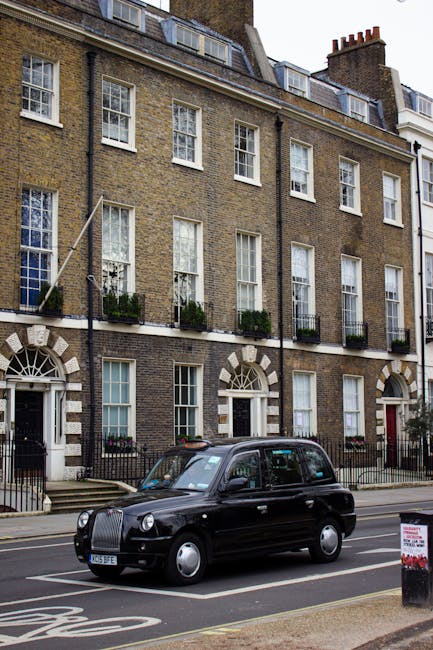
If you have just finished a sofa clean, a chair refresh, or a full upholstery job, the leftover waste can be the awkward bit nobody talks about. Dirty water, spent cloths, worn-out pads, packaging, lint, and sometimes old furniture all need handling properly. That is where understanding Hackney Council rules for upholstery cleaning waste becomes useful in real life, not just on paper.
For householders, landlords, tenants, and cleaning professionals in Hackney, the basics are usually simple: separate waste correctly, do not pour anything questionable down drains, and use the right route for bulky or contaminated items. The details matter though, because a small mistake can turn into a mess in the bin store, a blocked sink, or a complaint from the neighbour downstairs. Nobody wants that on a Tuesday evening, let's be honest.
This guide breaks down what counts as upholstery cleaning waste, how it is normally managed, where people go wrong, and how to stay on the right side of local waste expectations without overcomplicating things.
Why Hackney Council rules for upholstery cleaning waste Matters
Upholstery cleaning creates a type of waste that is easy to underestimate. A sofa looks calm and harmless in the room, but once you start removing dust, old stains, pet hair, fabric residue, and cleaning liquid, you are dealing with materials that may need specific disposal. Even if most of it is ordinary waste, not all of it belongs in the same bin.
Why does that matter? Because waste that is contaminated with cleaning solution, biological residue, or damp fabric can cause smells, leaks, and cross-contamination if it is thrown out carelessly. In a shared block, that is often where the trouble starts. One bag left open in a communal bin area can be enough to make the whole place smell slightly sour by the next morning. Not ideal.
It also matters from a compliance perspective. Councils across London expect residents and businesses to dispose of waste responsibly, use designated collection routes where needed, and avoid fly-tipping or unsafe dumping. In practice, that means thinking ahead before the clean starts, not after the extraction tank is full and the waste bags are sitting by the front door.
For cleaners, landlords, and property managers, this is about reputation as much as waste. A tidy job includes tidy disposal. If you offer a full service, people notice whether the room is left clean and the waste handled sensibly. They really do.
How Hackney Council rules for upholstery cleaning waste Works
The core idea is straightforward: separate the waste, store it safely, and place it into the correct disposal route for its type. You do not usually need to treat every bit of upholstery cleaning waste as hazardous, but you should assess what it contains before deciding where it goes.
In practical terms, upholstery cleaning waste often falls into a few buckets:
- Dry solid waste such as lint, dust, crumbs, hair, and disposable wipes.
- Damp waste such as used cloths, paper towels, and absorbent pads.
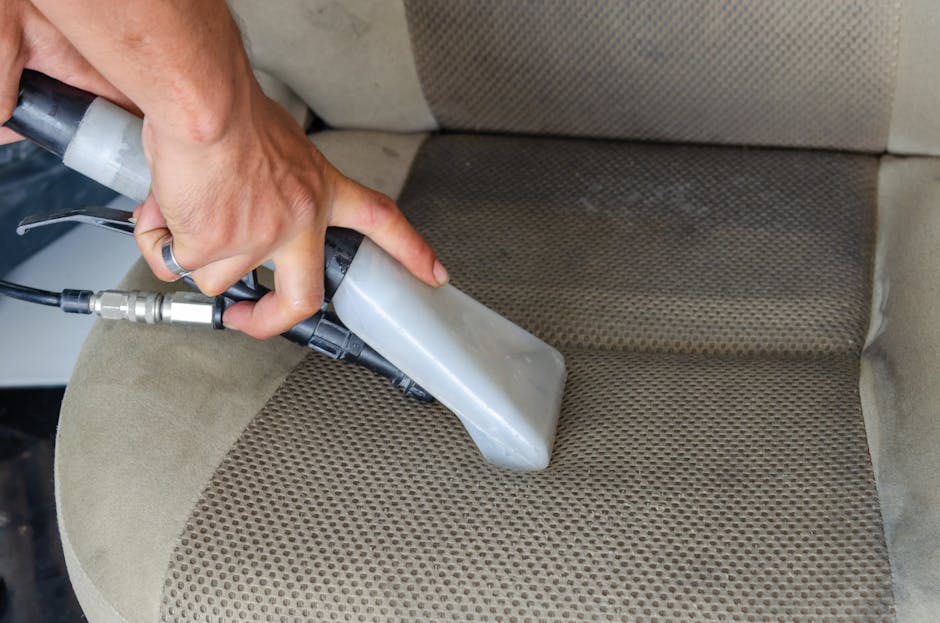
- Liquid waste such as extraction water, rinse water, or surplus cleaning solution.
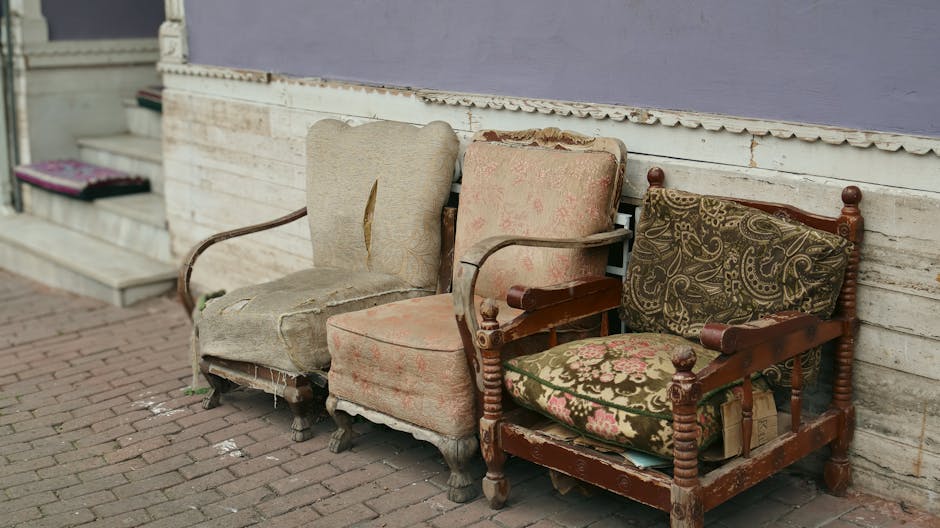
- Bulky waste such as old cushions, broken frames, or discarded furniture components.
- Potentially contaminated waste if the upholstery had mould, pest activity, bodily fluids, or severe staining.
Most everyday upholstery cleans create non-hazardous waste. That said, if waste contains harsh chemicals, medical residue, infestation debris, or anything you would not be comfortable handling bare-handed, treat it with more caution. That is the sensible line, and frankly the safest one.
The local waste picture in Hackney also depends on whether you are a resident dealing with a one-off clean or a business managing regular jobs. A small domestic clean usually means bagging waste, keeping liquids out of drains, and using normal household disposal where appropriate. A commercial operation may need more structured collection, clearer segregation, and proof that waste is handled properly.
If you are organising a broader clean for a home or end-of-tenancy property, it can help to think of upholstery waste alongside the rest of the job. Pages like deep cleaning in Hackney and end of tenancy cleaning are useful because waste handling often sits inside the larger cleaning plan rather than as a standalone task.
Key Benefits and Practical Advantages
Following the right waste approach is not just about avoiding problems. It genuinely makes the whole cleaning process smoother.
Cleaner property management
When waste is bagged, separated, and removed properly, the property feels finished rather than half-done. You avoid that awkward pile of wet wipes, lint, and packaging waiting near the kitchen bin. It is a small thing, but it changes the whole impression of the job.
Lower risk of odours and drainage issues
Liquid waste from upholstery cleaning can smell unpleasant if it sits too long or gets mixed with food waste. Worse, pouring the wrong liquids into a sink can contribute to blockages or residue build-up. The obvious answer is also the best one: keep liquids contained and dispose of them responsibly.
Better hygiene and safer handling
Used cloths and pads can carry dirt, allergens, and cleaning agents. Proper bagging protects whoever handles the waste next. This matters more in flats, shared bin stores, care settings, and office buildings where people are coming and going all day.
Less risk of complaints
In Hackney, as in any dense part of London, waste handling affects neighbours. A poorly sealed bag or a leftover bulk item in the wrong place can become a complaint very quickly. Good disposal habits reduce friction, which is worth a lot in communal living.
More professional results
If you are a cleaning business, waste handling is part of service quality. A customer may not comment on it directly, but they notice whether the job ends neatly. In our experience, the tidy finish is what people remember when recommending a service later.
Who This Is For and When It Makes Sense
This topic matters to more people than you might think. It is not only for professional cleaners or facilities teams.
- Homeowners and tenants cleaning sofas, armchairs, ottomans, or dining chairs.
- Landlords and letting agents preparing furnished properties between tenancies.
- Cleaning companies that generate waste as part of upholstery services.
- Office managers dealing with reception seating, breakout furniture, or meeting-room chairs.
- Hospitality and event venues where soft furnishings need regular maintenance.
It makes sense to think about the rules before starting a clean if:
- the upholstery is very dirty or smells damp;
- you are using strong chemicals or spot treatments;
- you expect a lot of extracted water;
- you may need to remove an item entirely;
- the property has shared bin access or strict waste arrangements.
A lot of people only realise this halfway through the job. The vacuum is running, the fabric is drying, and suddenly there is a bucket of murky water with nowhere obvious to go. That is exactly the moment when a little planning pays off.
If you are coordinating several types of cleaning at once, the broader service pages such as services overview, house cleaning, and office cleaning can help you think about waste as part of the overall workflow rather than as an afterthought.
Step-by-Step Guidance
If you want a practical method, this is the cleanest way to handle upholstery cleaning waste without making your day harder than it needs to be.
- Identify the waste before you start. Check whether you are likely to produce only dry waste or whether there will be wet residue, heavy contamination, or bulky items.
- Set aside separate containers. Use one bag or bin for dry waste, another for damp consumables, and a sealed container for any extracted liquid if it cannot go safely down an appropriate drain.
- Protect the route to disposal. If you are carrying waste through hallways or shared spaces, keep bags closed and sturdy. A leak in the stairwell is a nuisance nobody needs.
- Do not overfill bags. Heavy wet waste breaks bags. That then creates double the mess. You know the story.
- Keep liquids out of ordinary rubbish unless permitted. In most cases, extraction water should be managed carefully rather than tipped into a random bin or surface drain.
- Bag and label anything questionable. If waste may contain contaminants, keep it separate and clearly marked for safe handling.
- Arrange bulky disposal early. Old cushions, frames, or entire furniture items may need a dedicated bulky collection route rather than a standard bin.
- Clean the work area after disposal. Wipe down the floor, check for drips, and leave the area dry enough for safe use.
A simple rule helps here: if you would not want it leaking in a communal bin store, it probably should not be thrown in there half-sealed. Common sense is doing a lot of work in this section, but that is usually how good waste handling works anyway.
Expert Tips for Better Results
There are a few small habits that make upholstery waste easier to manage. They are not flashy, just effective.
- Pre-sort before the job starts. If you know a sofa is heavily soiled or has loose filling, prepare extra bags and gloves from the outset.
- Use absorbent pads wisely. They are brilliant for lifting liquid, but once saturated they become waste that needs careful bagging.
- Keep a dedicated waste bucket. It sounds basic, but a labelled bucket for rinse water or waste liquid saves confusion later.
- Separate clean packaging from dirty materials. New cloths, gloves, and product packaging should not be mixed with contaminated items.
- Think about drying time. Damp waste left in a warm van or hallway can smell surprisingly fast, especially on a warmer afternoon.
- Plan for access. In a narrow Hackney terrace or flat block, carrying waste out in one trip is often better than several small trips.
One thing we have seen repeatedly is that people underestimate how much waste a "small clean" can create. A single armchair can produce enough lint, pads, and rinse residue to fill more than one bag. Not dramatic, but enough to matter.
If you are weighing whether to handle the job yourself or book a professional clean, it may also help to look at upholstery cleaning in Hackney alongside pricing and quotes. That gives you a clearer picture of the full job, not just the visible fabric cleaning.
Common Mistakes to Avoid
Most waste problems happen because people rush the end of the job. It is usually the last ten minutes that cause the most trouble.
- Pouring dirty extraction water into the wrong drain. This can cause smells, staining, or plumbing issues.
- Mixing wet and dry waste together. That makes bags heavier, leakier, and harder to handle.
- Leaving bags open in shared areas. Neighbours notice, and so do pests.
- Ignoring bulky waste rules. A frame or oversized item left beside a bin is not "temporary" in the way people hope it is.
- Using too many chemicals without thinking about disposal. More product does not equal better cleaning. Usually the opposite.
- Forgetting PPE. Gloves may feel dull and bureaucratic, but they are useful.
Another easy mistake is assuming that because something came from a sofa, it must be ordinary domestic rubbish. Sometimes yes. Sometimes no. If the upholstery involved mould, infestation, bodily fluids, or harsh treatment chemicals, treat the waste with more care and a proper disposal plan. The cautious route is the sensible one.
Tools, Resources and Recommendations
You do not need a warehouse full of kit to manage upholstery cleaning waste well. A few dependable basics are enough.
- strong refuse sacks;
- sealed containers for liquid waste;
- gloves and basic PPE;
- microfibre cloths and absorbent pads;
- a labelled bucket for rinse water;
- disposable wipes for the final clean-down;
- a plan for bulky or awkward items.
If you are a homeowner, it may be enough to keep a small waste bagging station near the work area. If you are a cleaner or property manager, you may want a more formal process so every job is handled the same way. Consistency saves time. It just does.
For broader local cleaning support, some readers also find it helpful to review spring cleaning in Hackney, one-off cleaning services, and carpet cleaning in Hackney because waste handling often overlaps across services, especially in whole-property refreshes.
Law, Compliance, Standards, or Best Practice
Waste disposal in the UK is shaped by general duties around responsible handling, segregation, and lawful disposal. For upholstery cleaning waste, the exact obligation depends on what the waste contains and whether you are dealing with household waste, commercial waste, or potentially contaminated material.
The safest best-practice approach is:
- separate waste by type;
- keep liquids controlled;
- avoid unsafe dumping;
- use appropriate collection routes for bulky items;
- store waste so it does not create a nuisance or hazard;
- use care with chemicals and contaminated materials.
If you are operating as a business, compliance becomes more important because your waste practices may affect customers, staff, and building managers. Good record-keeping, sensible segregation, and reliable disposal habits are all part of operating professionally. That is especially true for cleaning teams moving between residential and office settings in Hackney.
Where a job involves unusual contamination, it is wise to pause and assess rather than guess. That is not being overcautious. That is being sensible. The line between ordinary cleaning waste and something that needs extra care can be thin, and a quick decision made in the moment can become a bigger issue later.
For reassurance around working standards and customer handling, you can also review the company's insurance and safety, health and safety policy, and terms and conditions. Those pages help show how a professional cleaning service frames risk, responsibility, and service expectations.
Options, Methods, or Comparison Table
Different waste situations call for different handling methods. Here is a simple comparison to help you decide what fits best.
| Waste type | Typical examples | Best handling method | Main risk if mishandled |
|---|---|---|---|
| Dry household waste | Lint, dust, packaging, disposable cloths | Bag securely and place in normal waste where appropriate | Mess, odour, poor presentation |
| Damp waste | Wet pads, towels, used wipes | Double-bag if needed and keep separate from dry waste | Leaks, smells, contamination |
| Liquid waste | Extraction water, rinse water, leftover cleaning mix | Contain in a sealed container and dispose carefully | Spills, drainage issues, staining |
| Bulky waste | Old cushions, damaged frames, whole furniture pieces | Use bulky waste collection or a proper removal route | Obstruction, fly-tipping concerns |
| Contaminated waste | Mould, pest residue, bodily fluids, heavily soiled materials | Separate and treat with extra caution | Health risk, improper disposal |
In plain English: normal waste is simple, liquid waste needs control, bulky waste needs planning, and contaminated waste needs care. That is the whole game, really.
Case Study or Real-World Example
Imagine a furnished flat in Hackney after a long tenancy. The sofa has pet hair, a few drink marks, and a stale smell near the armrest. The tenant wants it refreshed before checkout. The cleaner brings an extraction machine, fabric spray, cloths, and a bucket. By the end, they have a small pile of damp cloths, a container of dirty water, some packaging, and a dusty strip of vacuumed debris.
If they rush, all of that can end up in one bin bag, leaking through the bottom by the lift. Not great. If they plan properly, the process is calmer: dry waste is bagged, liquid is contained, damp items are sealed, and the waste is removed cleanly after the upholstery has been inspected. The flat ends up looking neat, the bin area stays tidy, and there is no awkward note from the building manager. That is the difference good waste handling makes.
We have seen similar situations after office chair cleaning too. In that setting, the stakes are different but the principle is the same. Staff do not want a damp residue trail through reception at 4pm. The waste plan needs to be simple, quick, and invisible to everyone else. Clean job. Quiet exit. Job done.
If your job is part of a broader property handover or move, a related read like the Hackney real estate buying guide or everyday life in Hackney can also help you see how cleaning waste fits into day-to-day local property life. Slightly unexpected, maybe, but useful.
Practical Checklist
Use this quick checklist before, during, and after any upholstery cleaning job.
- Have I identified all likely waste types before I start?
- Do I have separate bags or containers for dry, damp, and liquid waste?
- Have I checked whether anything is contaminated or unusually soiled?
- Do I know where the waste will go after collection?
- Are the bags strong enough for the weight and moisture?
- Have I kept liquids away from ordinary rubbish and shared bin areas?
- Did I clean and dry the work area before leaving?
- Do I need bulky waste removal for any removed furniture parts?
- Have I kept the route out of the property clean and safe?
- Would I be happy to leave the waste arrangement as it is now?
If you can answer yes to most of those, you are in good shape.
Conclusion
Hackney Council rules for upholstery cleaning waste are not usually complicated, but they do reward a bit of attention. The main idea is simple: separate waste properly, keep liquids under control, handle bulky items the right way, and avoid creating a nuisance for neighbours or building managers. That alone will prevent most of the common problems.
For anyone cleaning sofas, chairs, or upholstered furniture in Hackney, the smartest approach is to think about waste from the start of the job. It makes the clean safer, tidier, and far less stressful. And truth be told, that calm finish is often what people remember most. Not the bucket. Not the cloth. The tidy end.
If you are planning a bigger clean or want help handling upholstery in a way that is neat, efficient, and compliant, take a look at the wider service pages and get the advice that fits your property. A little planning goes a long way, especially in a busy borough where space is tight and everyone notices if things are left untidy.
Get a free quote today and see how much you can save.
If you would like to discuss a specific job, you can also use the contact page or send a request through request a quote.


