Recycling and responsible disposal after cleaning Hackney
Posted on 29/10/2026
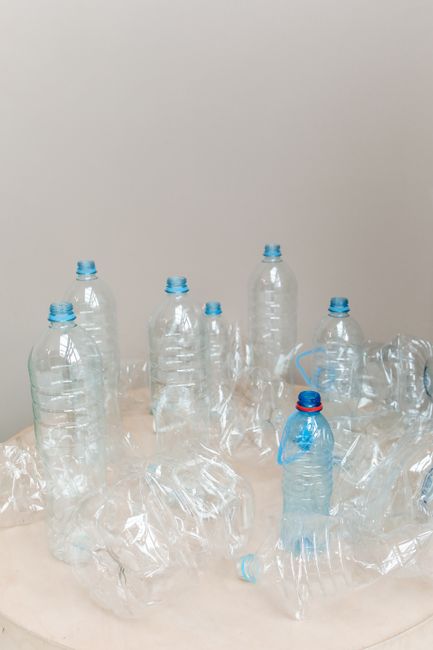
Cleaning out a flat, office, or family home in Hackney is satisfying in that very real way: the room finally breathes again, the clutter lifts, and you can see the floor properly. But then comes the awkward bit. What happens to the bag of old cloths, broken packaging, used bottles, dust sheets, appliance bits, and everything else left behind? That is where recycling and responsible disposal after cleaning Hackney becomes more than a tidy-up task. It is the difference between a clean space and a genuinely responsible finish.
Whether you are clearing up after a deep clean, a spring clean, an end-of-tenancy job, or a big household refresh, the disposal stage deserves proper thought. Done well, it keeps recyclable items in the right stream, reduces unnecessary waste, and helps you avoid the kind of rushed mistakes that can create extra cost or hassle later. Below, you will find a practical guide to how it works, what to separate, what to avoid, and how to handle the final stage with less stress and more confidence.
Why Recycling and responsible disposal after cleaning Hackney Matters
Let's face it, a lot of people treat waste as an afterthought. The clean is done, the job looks good, and the bins are somehow expected to solve everything on their own. But the post-cleaning stage matters because it affects three things at once: environmental impact, practical convenience, and compliance.
In a busy London borough like Hackney, where homes and businesses often deal with tight hallways, limited storage, shared bins, and packed streets, waste handling is not always simple. A bag of mixed rubbish left in the wrong place can quickly turn into a problem for neighbours, landlords, building managers, or business owners. And if items are recyclable, re-usable, or require special handling, throwing them all in one bag wastes a useful opportunity to reduce landfill.
Responsible disposal is also a trust signal. If you are a tenant, landlord, homeowner, facilities manager, or business owner, showing that you have sorted waste properly is a small but meaningful sign that the job was handled with care. That matters more than people admit. It is the finishing touch.
There is also a basic practical truth here: once waste is mixed, it is harder to separate, harder to recycle, and often more expensive to move. Sorting after cleaning saves time later, especially if you are dealing with large volumes or awkward items. A little attention up front goes a long way.
Expert summary: Recycling after cleaning is not just about being environmentally aware. It helps you sort materials correctly, avoid unnecessary disposal costs, and finish a cleaning job in a way that feels tidy from start to finish.
How Recycling and responsible disposal after cleaning Hackney Works
The process is simpler than many people think, but it works best when you approach it in stages. The main idea is to separate clean, recyclable, reusable, and non-recyclable waste before anything is taken away. That sounds obvious, yet in practice it is where many jobs go a bit sideways.
After a cleaning job, waste usually falls into a few broad groups:
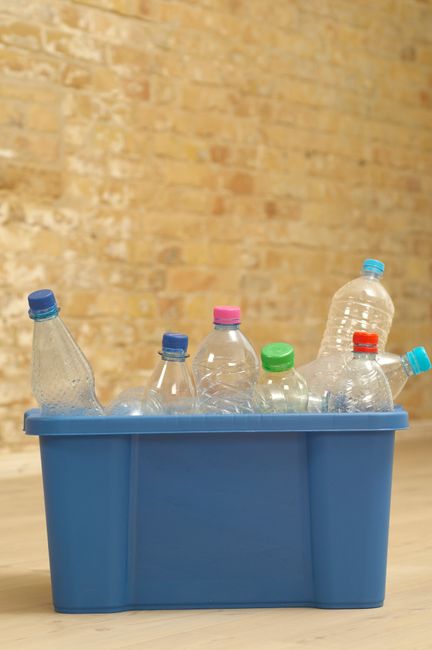
- Dry recyclables such as clean cardboard, paper, some plastic packaging, and empty containers.
- General waste such as contaminated tissues, heavily soiled cloths, vacuum contents, food scraps, or mixed rubbish.
- Reusable items such as storage boxes, jars, furniture, or household goods that could be passed on.
- Special items such as batteries, bulbs, electronics, chemicals, paint, or anything that should not go in ordinary bins.
The trick is to keep those streams separate long enough to decide the right route. In a domestic clean, that might mean three or four simple bags. In an office or larger property, it may mean a more structured process, especially if packaging, old stationery, broken equipment, and cleaning materials have all accumulated in one place.
Some people also forget the difference between a clean recyclable item and a contaminated one. A greasy pizza box, a bottle with leftover liquid, or a cloth saturated with cleaning product may not be suitable for standard recycling. That small detail matters. It is one of those things that sounds fussy until you have to deal with a rejected bin load.
If you are using a professional cleaner or organising a deeper clear-out, it helps to ask early how waste will be handled. For more intensive cleans, it can be useful to look at services such as deep cleaning in Hackney or end of tenancy cleaning in Hackney, because those jobs often produce more packaging, disposable cloths, and debris than a routine tidy.
Key Benefits and Practical Advantages
The obvious benefit is a cleaner finish. But the real advantages go a bit further than that.
1. Less waste goes to landfill
When recyclable and reusable items are separated properly, fewer materials end up as mixed waste. That is better for the environment, and honestly, it is just better housekeeping.
2. Your clean feels complete
There is a difference between a room that looks clean and a space that is actually finished. Removing waste properly gives the job a proper ending. No leftover clutter. No half-done feeling.
3. You reduce avoidable mistakes
Sorting waste early helps prevent contamination, missed recycling opportunities, and the classic "we'll deal with it later" pile, which tends to sit there for days. Sometimes weeks. You know the one.
4. It can support smoother move-outs and handovers
For tenants, landlords, and managing agents, responsible disposal can make inspections less awkward. If a property needs to be returned in good order, proper waste handling supports the overall presentation.
5. It helps businesses maintain standards
Offices, shops, and shared workspaces in Hackney often need a neat, defensible system for waste. Sorting cleaning waste carefully shows professionalism and helps with internal housekeeping routines.
There is a quieter benefit too: peace of mind. You are less likely to wonder later whether that bag should have gone somewhere else. That alone can make the process feel less annoying.
Who This Is For and When It Makes Sense
This topic matters to more people than you might expect. If you are cleaning out a flat after tenants leave, clearing a spare room, preparing for visitors, or dealing with a busy office reset, the disposal stage is part of the job.
It is especially relevant if you are:
- Homeowners doing a seasonal or one-off clear-up
- Tenants preparing for a move-out inspection
- Landlords or agents managing turnover between occupiers
- Businesses dealing with office refreshes or storage clear-outs
- Families sorting out clutter after a renovation, illness, or busy period
- People with limited storage or bin access, which is very common in older Hackney properties and flats
It also makes sense whenever there is a mix of items rather than just ordinary household rubbish. For example, if your clean has produced packaging, broken household goods, old soft furnishings, cleaning product containers, and a few bits of e-waste, you need a plan. Not a huge complicated one, just a plan.
For people juggling a broader cleaning schedule, services like one-off cleaning in Hackney or spring cleaning in Hackney often create exactly this sort of disposal question. That is normal. Cleaning creates stuff. Always has.
Step-by-Step Guidance
If you want a practical method, use this sequence. It is simple, but simple is good here.
Step 1: Walk through the space before bagging anything
Do a slow walk-through and look at what has actually been removed or exposed by cleaning. Separate what is genuinely waste from what might still be useful. A lot of people throw out items too quickly simply because they are in the way.
Step 2: Group items by material and condition
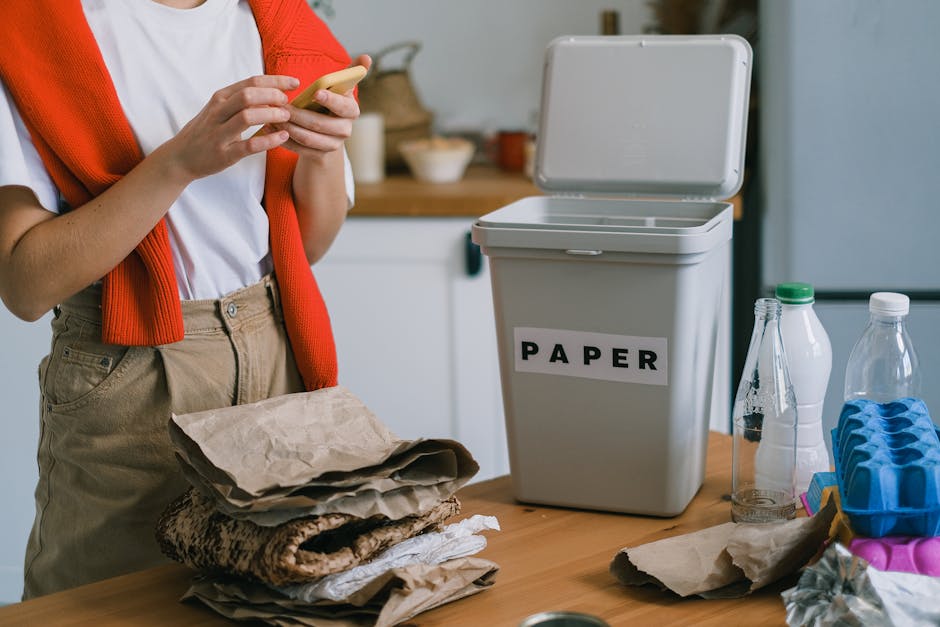
Make four rough piles: recycling, general waste, reusable items, and special waste. If a thing is dirty enough to contaminate recycling, move it out of that stream. If it is still usable, keep it separate.
Step 3: Empty and clean containers where appropriate
Rinse out bottles or containers if needed, remove obvious residue, and make sure lids or caps are handled properly according to your local waste route. You do not need to scrub everything until it sparkles. Just avoid sending obviously contaminated items into recycling.
Step 4: Bag or box items sensibly
Use sturdy bags for general waste and separate boxes or crates for recycling where helpful. In a hallway or shared building, loose items are a nuisance and can quickly look messy. A tidy bundle is far easier to manage.
Step 5: Deal with special items separately
Batteries, bulbs, electronics, and chemical products should be kept apart. If you are not sure whether something counts as special waste, pause and check rather than guessing. Guessing is how people end up with the wrong bin in the wrong place.
Step 6: Decide whether reuse or donation is possible
Not everything needs to be disposed of. Some furniture, storage items, books, and household goods may be suitable for reuse if they are clean and safe. It is often worth asking yourself, "Would I be happy for someone else to use this?" If yes, it may belong in a reuse stream rather than the bin.
Step 7: Arrange collection or drop-off in the right way
Once the waste is sorted, choose the most sensible route. For domestic waste, that might be your usual collection system. For larger loads, commercial clear-outs, or mixed waste after a major clean, you may need a dedicated waste carrier or an approved collection arrangement. If the job is part of a larger cleaning project, checking the services overview can help you understand how cleaning and disposal fit together.
Step 8: Do a final check before you finish
Look again at corners, cupboards, behind doors, and under sinks. Strange little things hide there. Batteries, old packets, random screws, that one sock nobody claims. The usual suspects.
Expert Tips for Better Results
A few practical habits make the whole process smoother.
- Sort as you clean, not after you have finished everything. This saves time and makes contamination less likely.
- Keep a separate container for "not sure yet" items. It is better to pause than to guess and get it wrong.
- Flatten cardboard and collapse packaging. It makes storage and transport much easier, especially in smaller flats.
- Do not leave waste bags in shared hallways. Even for a short time, they can block access and create tension with neighbours.
- Use clear labels if several people are involved. A marker pen and a few quick notes can save confusion later.
- Check the contents of vacuum bags or dust debris carefully. They often contain mixed material and should usually be treated as general waste.
One useful habit from professional cleaners is the "last sweep" approach: after everything is bagged, take one final slow look around the room. It sounds almost too simple to matter, but it catches the little scraps that otherwise stay behind. And yes, the little scraps are always there.
If you are dealing with a property that needs a more thorough finish, especially after tenants leave or before guests arrive, you may also find useful context in domestic cleaning in Hackney or house cleaning in Hackney. Those pages are helpful when you want the clean itself to connect neatly with the waste stage.
Common Mistakes to Avoid
Most disposal problems are not dramatic. They are small, ordinary mistakes that add up.
Mixing everything into one bag
This is the biggest one. Once recyclable and non-recyclable items are mixed, you lose flexibility. You also risk contaminating the load.
Assuming all packaging is recyclable
It is not. Some packaging is contaminated, laminated, or made from mixed materials that are harder to process. If it has grease, liquid, or heavy residue on it, pause before throwing it into recycling.
Leaving special items to the end
Batteries, bulbs, and electronics often get forgotten because they are small. Small does not mean harmless, though, and it definitely does not mean ordinary.
Ignoring reuse opportunities
A usable chair, storage tub, or working lamp is not waste just because it no longer suits your room. Reuse is often the easiest responsible route.
Not thinking about access and lifting
In Hackney flats, narrow stairs and shared entrances can make waste handling awkward. If you are carrying heavy bags, be realistic. One overfilled bag can be more trouble than it is worth.
Using the wrong cleaning products for the wrong residue
Some residues need careful handling before they can be disposed of properly. Do not mix chemicals casually. That is one of those things people do once, then decide never again.
Tools, Resources and Recommendations
You do not need specialist gear for most cleaning-related disposal, but a few simple tools make life easier.
- Sturdy bin bags for general waste
- Cardboard boxes or reusable crates for dry recyclables
- Gloves for handling dusty or awkward items
- Marker pens and labels for sorting when several people are helping
- Tape or ties to secure loose packaging
- A small caddy or tray for batteries, bulbs, keys, screws, and other tiny items
For larger or more awkward waste loads, it can help to think about the disposal stage before the cleaning begins. That is especially true for a bigger property or an office where the volume might be surprising. A quick check of office cleaning in Hackney can be useful if you are planning around desks, packaging, and shared work areas.
If cost planning matters, the pages on pricing and quotes and request a quote are practical starting points. You do not need to overcomplicate it, but it is always better to understand the likely shape of a job before you begin.
And if you want to know how the company handles trust and customer care more broadly, the pages on about us and health and safety policy provide useful background.
Law, Compliance, Standards, or Best Practice
For household waste, the main point is simple: use the correct local collection or disposal route and do not place restricted items into ordinary bins. For businesses, the picture is a bit more formal. You should treat waste segregation, storage, and collection as part of your normal housekeeping and compliance routine.
Best practice in the UK generally means:
- keeping recyclable and non-recyclable waste separate where possible
- handling electrical items, batteries, and similar products responsibly
- not leaving waste where it blocks access routes or creates a hazard
- using suitable collection methods for larger or mixed loads
- making sure any waste handling is proportionate to the type of property or business
If you run a business, it is worth being especially careful with cleaning waste from offices, shared spaces, or customer-facing premises. You may need a clearer system than a household would. For a broader service context, the Hackney business guide to commercial cleaning providers is a useful related read.
There is also a common-sense safety angle. Cleaning waste can contain damp material, sharp packaging edges, broken glass, or residues from cleaning products. Good practice means protecting the people handling it, not just checking a box. Simple gloves, clear separation, and sensible lifting are not overkill. They are common sense.
Options, Methods, or Comparison Table
Not every disposal situation needs the same method. Here is a practical comparison to help you choose.
| Method | Best for | Advantages | Limits |
|---|---|---|---|
| Standard household recycling | Clean cardboard, paper, and suitable packaging | Simple, familiar, low effort | Not suitable for contaminated or special waste |
| General waste collection | Mixed non-recyclable cleaning waste | Convenient for everyday leftovers | Less sustainable; should not be overused for recyclables |
| Reuse or donation | Usable furniture, containers, and household goods | Reduces waste and helps others | Items must be clean, safe, and suitable for reuse |
| Special waste handling | Batteries, bulbs, electronics, chemicals | Safer and more appropriate for restricted items | Needs extra sorting and the correct route |
| Dedicated clear-out support | Large jobs, end-of-tenancy, business resets, heavy waste | Saves time and reduces mistakes | Requires planning and may involve added cost |
Most people end up using a mix of methods. That is perfectly normal. The best approach is usually the one that keeps sorting simple enough that you will actually do it properly.
Case Study or Real-World Example
A small flat in Hackney had just been through a deep clean after months of busy living and a partial room reorganisation. Nothing dramatic, just the sort of place where life had gradually piled up: cardboard deliveries, duplicate kitchen bits, a few broken storage items, old candles, and a surprising number of empty cleaning bottles lined up under the sink.
At first glance, it looked like one big waste job. But once the items were separated, the picture changed. Clean cardboard went into recycling, reusable storage tubs were kept aside, broken and non-recyclable bits were bagged for general waste, and a couple of small electrical items were separated for proper handling.
The result was simple but satisfying. The flat ended cleaner, the hallway stayed clear, and the occupants did not have to stare at a mixed pile of rubbish for the rest of the week. It is a tiny example, really, but these are the jobs where responsible disposal makes the biggest difference. A clear room is nice. A properly finished room feels better.
In a similar way, a business clean or office reset often reveals the same pattern: more sorting than expected, but less actual waste than first thought. That is usually the moment people realise the disposal part deserves its own plan.
Practical Checklist
Use this checklist before you finish a cleaning job in Hackney:
- Have recyclable items been separated from general waste?
- Are any containers empty or clean enough for recycling?
- Have batteries, bulbs, and electronics been set aside?
- Have you checked for reusable items before throwing anything away?
- Are waste bags secure, manageable, and not overfilled?
- Has anything been left in cupboards, under furniture, or behind doors?
- Is the waste route appropriate for the type and amount of material?
- Are shared hallways, entrances, and bins kept clear?
- Have you avoided mixing cleaning chemicals with other waste?
- Does the space feel genuinely finished, not just superficially tidy?
If you can tick most of those off, you are in good shape. If not, no panic. Just take another look. The final pass is often where the biggest improvements happen.
Conclusion
Recycling and responsible disposal after cleaning Hackney is not a side note. It is the final part of doing the job properly. When waste is sorted with care, the space is easier to live in, easier to hand over, and easier to feel good about. That matters whether you are clearing a flat, tidying a family home, or managing a commercial space.
The best approach is usually the simplest one: separate as you go, keep reusable items out of the bin, treat special waste carefully, and think ahead about collection or drop-off. The result is cleaner, calmer, and far less messy than leaving it all to chance.
Get a free quote today and see how much you can save.
And if you only remember one thing, let it be this: a clean space should end as cleanly as it began. No loose ends, no forgotten bags, no half-finished feeling. Just a proper finish.


